Discover the fauna on Mallorca. From goats and sheep to flamingos, lizards and rays, there is much to experience on and around the island.
Who is at Mallorca thinks, often first imagines yachts, beach clubs, and historic old towns. However, the Balearic island delights not only with exclusive properties and a Mediterranean lifestyle but also with astonishingly diverse wildlife. Especially if you are considering a longer stay or your own property, it opens up Mallorcan Fauna an additional dimension of quality of life: breakfast with a view of circling red kites, cicada concerts by the pool, goats on the rocky coast, flamingos in lagoons. This blog will guide you through the most important animal species, typical habitats, and practical behavioural tips.
Mallorca's Natural Spaces: Why the Island is So Attractive to Animals
At first glance, Mallorca appears densely built-up in many places, particularly around Palma and the well-known holiday resorts. At the same time, large parts of the island under protection or are characterised by agriculture, so that valuable natural spaces remain. Nature reserves, wide plains and the Tramuntana mountain range form a deliberate counterpoint to the tourist infrastructure. Anyone interested in a finca in the interior of the island or a villa on the coast benefits from this perfect balance of comfortable living and immediate proximity to unspoiled nature.
A central nature reserve is the Serra de Tramuntana, which is a UNESCO World Heritage Site and offers a habitat for birds of prey, wild goats, reptiles, and numerous species of songbirds. The island's wetlands are also of great importance, foremost among them the S'Albufera de Mallorca Natural Park and The Salobrar de Campos, which are considered hotspots for flamingos, herons, ducks, waders, and many migratory birds. Along the coasts and cliffs, cormorants, gulls, and other seabirds dominate the scene, and with a bit of luck, you might even spot dolphins offshore. In the rural plains and almond groves Hoopoes, quails, barn owls, bats, and hedgehogs live here again, underscoring the highly natural character of many regions. This diversity makes Mallorca particularly attractive for everyone who wants to experience nature consciously without sacrificing infrastructure and quality of life. If you want to delve deeper into the nature parks, it's worth taking a look at the detailed article on the Nature parks in Mallorca.
Land animals in Mallorca: goats, sheep, martens & Co.
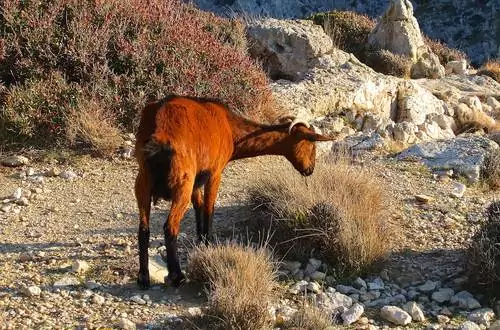
Mallorcan wild goats are a defining symbol of rock formations and especially found in the Serra de Tramuntana, and Cap de Formentor and on La Victòria found. They move safely over steep terrain and occasionally appear near populated areas. It is important, Keep distance and do not feed, as bucks in particular defend their territory. In well-known goat areas, you should also Vehicle doors closed stay, as bags and purchases arouse interest.
Sheep, donkeys and mules are an integral part of Mallorca's traditional landscape. The indigenous sheep breed Mallorcan Sheep has been adapted to the climate and soils for centuries and contributes to the maintenance of the cultural landscape through grazing. Donkeys and mules, once indispensable working animals, are now primarily kept in rural regions and symbolise a decelerated, close-to-nature lifestyle. Among the more unassuming, but ecologically important species Genets, stone martens, hedgehogs and bats are counted. They are mostly nocturnal, control insect and small mammal populations, and largely go unnoticed in everyday life. Bats in particular are a bonus on summer evenings as they hunt large numbers of mosquitoes. Their presence is considered Indicator of an intact environment, even close to home.
Birdlife in Mallorca: from flamingo to barn owl
Mallorca holds a special position in the Mediterranean region as Turntable for migratory birds The island lies on central migration routes between Europe and Africa, which is why an exceptionally rich birdlife can be observed, especially in spring and autumn. In wetlands such as the S'Albufera de Mallorca Natural Park or Es Salobrar de Campos, one can regularly observe Flamingos observe, as well as Herons, cormorants and numerous Limicolous species, the lagoons, salt pans and shallow water zones as resting and feeding grounds. Along the coastline, coral gulls and petrels are prominent, especially on windy days or in the early morning hours.
Over the mountains and rural regions, especially in the Serra de Tramuntana, Regular sightings of birds of prey can be seen. Red Kites and Black kite circling over valleys and plains, while Peregrine falcons and buzzards utilise the thermals or go on a targeted hunt for prey. This picture is complemented by various owl species, including the Barn Owl and the Little owl, which use old farmhouses, church towers, or rock niches as nesting sites. Their presence is an indicator of an intact cultural landscape and shows how closely nature, agriculture, and historic buildings are interwoven on Mallorca.
Reptiles and Amphibians: Lizards, Turtles and Snakes
Lizards and geckos are among the silent, ubiquitous companions of everyday life on Mallorca. Many visitors notice them first as they bask on dry stone walls or silently scurry through gardens and across terraces. The Balearic lizard is native to some offshore islands, while in villages, gardens and buildings, primarily Wall lizards and various gecko species are found. They feed predominantly on insects and thus contribute to a stable ecological balance.
In undeveloped natural regions and especially in wetlands, you will also find Turtles and Amphibians. This includes the Moorish tortoise, as well as freshwater turtles, frogs, and toads that live in ponds, canals, and watered landscapes. Those planning a property with their own natural pond or near-natural planting can create specific retreats for these species with expert design, thereby Biodiversity promote.
It is repeatedly asked as well Snakes in Mallorca asked. The assessment is factual and relaxed: there are only a few snake species on the island, most of which are non-venomous. The Western whip snake does have a mild venom, but it generally poses no serious threat to healthy adults. Encounters are rare, as the animals are very shy and flee early. Sturdy footwear is recommended when hiking in dense undergrowth, while the risk is minimal anyway in well-kept residential areas and high-quality gardens. Overall Are reptiles part of the natural environment in Mallorca, ...without noticeably restricting everyday life or quality of life.
Marine fauna: dolphins, sea turtles, rays, and jellyfish

Off the coast of Mallorca, time and again Dolphin group sighted, especially in the Bay of Palma, along the north coast and around the Dragonera Island. For boat owners and guests with access to a marina, such encounters are among the island's special natural moments. Respectful behaviour is important here: do not feed or chase dolphins and always keep a sufficient distance.
In the Balearic Sea also live Sea turtles as the loggerhead turtle as well as various Fish and ray species. In recent years, rays have been sighted more frequently, so caution is advised in shallow waters. Striking animals should not be touched, but reported if necessary. Jellyfish also occur depending on the current and time of year. Their stings can be unpleasant but are usually harmless. By observing the warning signs and carefully entering the water, you can generally enjoy the sea around Mallorca without worry.
Wildlife throughout the year: When to experience what
Winter
In winter, Mallorca reveals its quiet, nature-focused side. Flamingos and other waterfowl can be observed in the wetlands, while migratory birds use the island as a wintering ground. Wild goats are more frequently seen out foraging, even at lower altitudes. This season is particularly suitable for relaxed hikes, nature photography, and for people who appreciate life in the island's interior.
Spring
With spring, nature awakens noticeably. The almond blossom shapes many landscapes, migratory birds return, and songbirds, lizards, and insects become significantly more active again. The days are getting longer and milder, making this time ideal for bird watching, outdoor activities, and starting the season at your own finca.
Summer
In the summer, the nature experience shifts significantly to the coast and the sea. Marine fauna comes into focus, with dolphins occasionally spotted, while insects and lizards are active all day. These months are synonymous with seaside holidays, boat trips, and vibrant life in coastal properties under stable weather conditions.
Autumn
Autumn combines pleasant temperatures with increasing tranquility. Many migratory birds stop off in Mallorca, the beaches empty, and wild goats are seen more frequently near the coast again. This season is particularly suitable for longer stays, for owners with flexible schedules, and for anyone who prefers mild temperatures and a relaxed environment.
Those looking for detailed season information will find posts such as, among others, in the blog „Mallorca in Spring“, „Mallorca in July“ and „Mallorca in Autumn“, for example Mallorca in July Or Mallorca in spring.
Safe and respectful: How to behave properly towards animals
Ein respektvoller Umgang mit der Natur sorgt auf Mallorca für ein harmonious coexistence of humans and animals. In nature parks and when hiking, it is important to maintain sufficient distance from wild animals, not to feed them, and not to leave any rubbish behind, as this can sustainably disturb their behaviour and habitats. Notice boards Breeding and protection zones should be observed, particularly in dune and coastal areas. Those who allow natural areas in their own gardens, with stones, native shrubs, and herbs, promote lizards, birds, and pollinators, while also enhancing the quality of their outdoor space. Pets can also be well integrated into this environment if some basic rules are followed. Dogs should be kept on a lead in nature parks and on pastures, encounters with wild goats should be avoided if possible, and in the evenings, conscious use of outdoor lighting is recommended to avoid disturbing bats and nocturnal birds.
FAQs about Mallorca's Fauna
What should you watch out for in Mallorca?
Be mindful of respectful interaction with nature. This includes not feeding animals, observing protected areas and breeding seasons, and leaving beaches clean. Mallorcan wildlife, such as wild goats, rays, jellyfish, or snakes, should generally only be observed from a distance.
When choosing a property, it's advisable to consider the surroundings. If a house is located near a nature park, a lagoon, or in the Tramuntana mountains, the value of the experience is significantly enhanced by opportunities for nature and wildlife observation.
2. On which side of Mallorca is it most beautiful?
Which side of Majorca is considered the most beautiful depends heavily on personal preferences. Nature and animal lovers particularly appreciate:
- The north with Pollença, Alcúdia and Cap Formentor – characterised by steep coasts, migratory birds, wild goats and dolphin tours.
- The southwest with Andratx and Camp de Mar – known for exclusive properties, marinas, and diverse marine life.
The east impresses with its coves and rather quiet coastal sections, while the island's interior captivates with its agriculturally influenced landscapes, birdlife, and traditional animal husbandry.
3. When is the almond blossom in Mallorca 2025?
The almond blossom in Mallorca usually begins between mid-January and early February, depending on the weather conditions, and can last until March. For 2025, similar to previous years, a vast sea of pink and white blossoms is expected, particularly in regions such as Llucmajor, Santa Maria, Bunyola and in the island's interior.
During this time, visitors also benefit from an active bird population and mild temperatures. Many specifically combine the almond blossom with nature experiences or property viewings. Further inspiration can be found in the article on the most beautiful places of the almond blossom in Mallorca.
Title image: Copyright @ Pixabay / MALCOLUMBUS
 German
  English
  Spanish